
The Appeal of Novelty Items
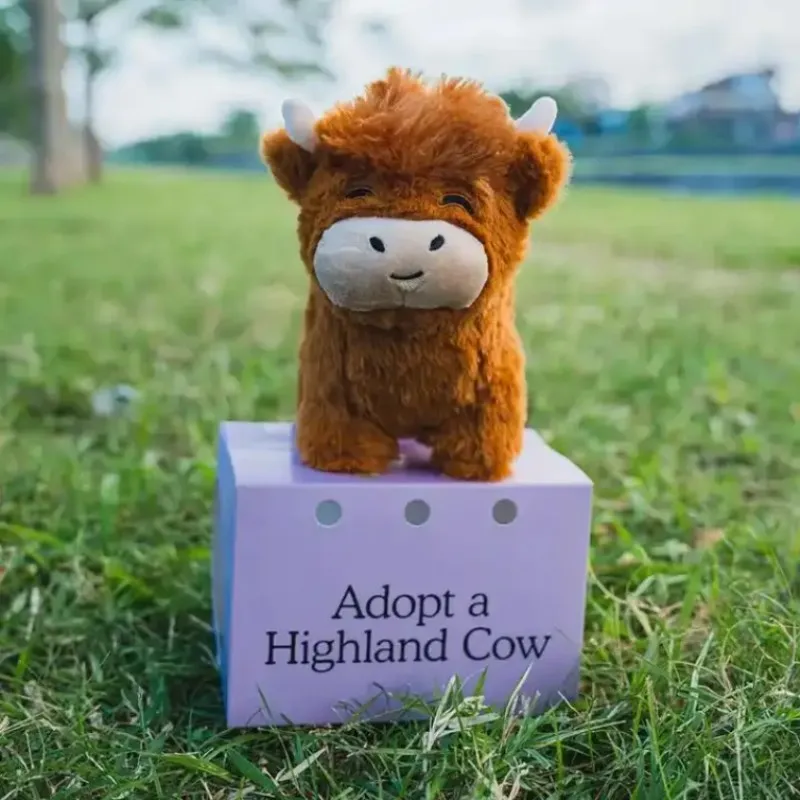
Novelty items like plush toys often capture the imagination of consumers seeking out unique or whimsical products. An excellent example of this is the brown Highland Cow plush toy, which stands apart due to its distinctive character and playful design. In an increasingly competitive market, the introduction of creative and innovative products can substantially enhance customer interest. The charm of novelty items frequently lies in their ability to evoke joy and nostalgia, creating an emotional connection between the consumer and the product.
The market for novelty plush toys, particularly those with an imaginative twist, has seen a steady increase in demand. This can be attributed to several factors, including the shift towards “direct-to-consumer” (D2C) sales models. Brands that sell unique products directly to shoppers can establish a more personalized shopping experience. By focusing on a select audience, they can craft marketing strategies that speak directly to consumer desires for distinctiveness and fun in their purchases. The appeal of a pet rock or a quirky plush toy is inherently tied to this desire for novelty, often driving impulse purchases.
A compelling aspect of novelty items is their versatility in gifting. Plush toys, for instance, are not only children’s playthings but also serve as charming gifts for adults, collectors, and enthusiasts alike. This wider market appeal enhances their overall attractiveness in the consumer landscape. Likewise, positioning such items as collectible can incentivize shoppers to view them as investments, further boosting their desirability. Ultimately, novelty items like the Highland Cow plush toy provide an avenue for businesses to differentiate themselves in the shopping experience, promoting deeper customer engagement and loyalty.
It’s Not Just About the Product – It’s About the Experience
In today’s competitive market, the differentiation between products often lies not merely in the products themselves but in the experiences they offer to consumers. This is particularly true for unique items like Highland Cow plush toys. While the toy itself may appeal to a niche market, the way it is presented and marketed significantly influences purchasing decisions. The burgeoning direct-to-consumer (D2C) model has allowed brands to cultivate personal relationships with customers, which goes beyond conventional shopping paradigms.
Engaging storytelling plays a pivotal role in this experiential marketing approach. When a brand shares the whimsical origin of its Highland Cow plush toy or creates narratives that resonate with pet lovers, it establishes a connection with potential buyers. Customers are attracted to the idea that their purchase is more than just a simple transaction; rather, it contributes to a larger story. This can transform a routine shopping experience into an emotional journey, fostering a deeper loyalty to the brand and encouraging repeat purchases.
Moreover, customer interaction enhances this experience. Brands that actively communicate with their customers—through social media, email marketing, or personalized messages—can create an interactive environment. This engagement encourages feedback, making customers feel valued and invested in the brand’s story. The more customers feel part of the brand’s narrative, the more likely they are to share their experiences with others, effectively turning them into brand ambassadors.
Ultimately, the crux of successful selling lies in crafting memorable experiences that resonate with consumers. In a marketplace filled with similar products, such as pet rocks and plush toys, establishing an emotional connection through storytelling and customer engagement can set a brand apart. As businesses evolve, focusing on the experience surrounding each product can unlock new levels of desirability and profitability. By prioritizing the customer experience, sellers position themselves to thrive in an increasingly experience-driven economy.
Lessons from the Pet Rock Phenomenon
The extraordinary success of the pet rock trend in the 1970s serves as a fascinating case study on how a simple product can evolve into a cultural phenomenon. This trend was not merely about selling rocks; it was a masterclass in marketing, branding, and storytelling. The creator, Gary Dahl, transformed an ordinary rock into an irresistible novelty item by packaging it with a narrative that appealed to consumers’ sense of humor and nostalgia. This clever positioning made pet rocks not just a product, but a quirky gift and a conversation starter, thus enhancing their desirability in the shopping space.
The pet rock was marketed with a whimsical instruction manual detailing how to take care of one’s new pet. This playfulness exemplified how branding can create an emotional connection with customers, turning an ordinary item into a coveted treasure. The success of pet rocks highlighted the importance of presenting a unique story that resonates with the audience, making the product memorable. Incorporating narratives allows consumers to form a personal connection with the item, subsequently influencing their buying decisions.
Today, similar strategies can be applied to modern novelty items, such as the highland cow plush toys. By crafting an engaging backstory and emphasizing the unique qualities of these plush toys, sellers can replicate the pet rock phenomenon’s success. In the D2C (direct-to-consumer) landscape, where creativity and branding have become paramount for appealing to niche markets, the lessons from the pet rock trend remind us of the value of making ordinary products extraordinary through innovative marketing strategies. Thus, both novelty items like pet rocks and highland cow plush toys can thrive by leveraging effective branding techniques that capture consumer interest and creativity.
Strategies for Selling Creative Plush Toys Effectively
In the competitive landscape of the plush toy market, especially for unique offerings such as Highland Cow plush toys, it is imperative to adopt effective strategies to maximize sales. One key approach is to focus on branding. Crafting a distinct brand identity that resonates with your target audience can create an emotional connection, making customers more likely to choose your product over similar items. Utilize a compelling logo, a cohesive color scheme, and an overall theme that reflects the essence of your creative plush toys. A strong brand presence will enhance visibility, particularly in a Direct-to-Consumer (D2C) setting, allowing shoppers to easily recognize and differentiate your products.
Another essential component of effective selling involves leveraging social media marketing to engage with potential customers. Platforms like Instagram and Facebook are ideal for showcasing visually appealing product presentations. Invest time in creating high-quality images and videos that highlight the features and uniqueness of each plush toy. Utilize captivating captions that tell a story about the product, allowing customers to envision how a Highland Cow plush toy would fit into their lives. Encouraging user-generated content by inviting customers to share photos of their purchases can further enhance engagement and trust.
Additionally, community engagement should not be overlooked. Participating in local events, collaborating with fellow D2C brands, and fostering relationships with your audience can increase loyal customers. Interacting with potential buyers through comments and messages on social media creates a personal touch, enhancing the shopping experience. Moreover, it is crucial to actively seek and incorporate customer feedback. Understanding your consumer’s preferences and pain points will not only refine your product offerings but also contribute to a more satisfying purchasing journey. By diligently applying these strategies, selling unique plush toys can become a rewarding business venture.